Showing posts with label 99xl. Show all posts

Saturday, December 31, 2011

Geez 'm gettin' old


Another calendar year is about to end and the capitalist world commands us to spend money, celebrate and enjoy. In another side some people say that the end of an year reminds us, of our getting old. Well, what does it really mean to say that somebody is getting old? I'm sure, in the popular notion, it has more to deal with calendar days than anything else. This being a real worry for masses is nothing for argument, when taken into account, the fuzz around 'turning 30' and 'naughty forty'. Age is one significant parameter when judging one's physical and mental capabilities, attitude towards different facets of life, maturity, looks and so on. However, it is unfortunate that a person's age is almost entirely measured in calendar days. There's lot more to it. I think we should talk about at least three ages of a person. Here they are in the order of increasing importance.

1. Calendar age

This is the age measured with respect to the rotation of the earth and hence is the most natural form of it. Imagine a person who prefers to spend his life entirely with the nature while only fulfilling his physical needs, without entering into culture (culture is what separates humans from other animals). Then the only parameter that will determine transitions within his life will be his calendar age. However, the moment he decides to enter into the cultural world, lot of other factors that are more important will start to emerge. The more he becomes cultural and human, the more effective these other factors will be. However, with any human being, certain changes in the physique and consequential transitions in psyche are inevitable. After all anybody dies when the calendar age reaches a certain limit. Therefore calendar age too counts though a person does not have any control over it.

2. Physical age

This is another form of age which is ignored by majority. One can challenge the calendar age by keeping his / her body healthy and fit. What requires is a little bit of discipline and dedication. Few years back I got an opportunity to go on a mountain hike  in Norway with a group of Norwegians. After few minutes of hiking in mountains covered by snow I was exhausted and started struggling (this is before I started my regular workouts). An 'old' Norwegian lady in the team who climbed mountains pretty comfortably was offering me a hand often. At that time I was in my twenties and the lady should have been well beyond sixty, but she was younger than me physically.

Unfortunately most Sri Lankans underrate the influence of exercices and healthy food on one's age. Our elders get ill with will thinking that they should be sick by default after reaching a certain calendar age. This negative attitude has resulted in huge crowds in every hospital, creating a sick nation. I think this is one of the common issues in developing countries that keeps a significant part of the population out of capable workforce.

I can stress emphasis on physical age from my own experience. Couple of years back I started doing regular workouts and was intrigued by the transformation it caused in both body and mind. Today I had a hectic schedule at office, but I regained energy to write this blog post after a swim. The fascinating thing about physical age is that we can control most of it.

3. Mental age

This is the most important form of age in my judgement. Even as reaching the sunset of calendar age, a man can be youthful if he owns courage to strive for experimenting new avenues in life. Delight to confront challenge even after hundredth failure is the ultimate youthfulness in my standards. I was fascinated by some characters who dared to dissent from the popular notions and make significant changes in the world at a time they were deemed to be old and incapable. On the other hand, one who accepts what is given to him is a dead person even if he is young in calendar age. If physical age can be controlled to most part, mental age is completely cultural and is entirely controllable.

I think I have provided you with enough arguments and facts to lean towards the conclusion that earth's rotation is not the only parameter (not the most significant parameter even) in determining a person's age. Ok, here we go...The real challenge starts now. How far are you going to harness your ability to control physical age and mental age?

Saturday, November 26, 2011

Hit me one more time


         "Mama I'm in love with a criminal
           and this type of love isn't rational
           it's physical"
                         - Britney Spears -

Singer Amy Winehouse died recently when she was only 27 years old because of her drug addiction. I got to know about her when the song "Rehab" became a popular hit in charts. "You know I'm no good" is another favorite of mine among her few popular songs. Amy was mostly known for her self-destructive acts that ultimately lead to her death. All the "good" people in media ridiculed these acts as stupid behavior. However, the question is that don't these "good" people display similar type of madness when they are not in front of the camera. Is self-destructive behavior limited only to a bunch of lunatics like Amy? Or is it a fundamental desire of every human being? I support the later.

Let's examine a common practice: social drinking. What are the popular claims on the reason for one to drink?
1. People drink to socialize.
2. People drink to get drunk which boosts the thrill of a moment.
3. People drink as a temporary escape from everyday problems.
Anti-alcoholics have easy counter arguments for all these reasons.
1. There are hundred and one better ways to get socialized than drinking.
2. Thrill of getting drunk is a myth created by alcoholics who do not know enjoying an occasion consciously
3.  Temporary escape from problems with alcohol is similar to scratching a wound which only worsens the situation.
All these counter arguments are logical and are true. Let's add further to these.
1. Drinking empties your pocket.
2. Alcohol is not good for health at all
3. One destroys his / her social image with drunk acts
4. You put many lives in risk by drunk driving
Why do many drinkers go way beyond the limit of getting drunk for thrill, leading to hangover? Does it happen due to lack of self control? Or is it intentional?
All the rational answers given to justify drinking are falsified easily. They should be, because all of them are fake. If there is any honest explanation as to why people drink, I think it should be the self-destructive desire of every human being. Alcohol provides a nearly perfect way for one to hurt him / her self.

In his essay "A child is being beaten", Freud explains the connection between pleasure and suffering. Not only that one can make enjoyment through suffering, but also self-inflicted-suffering is a basic fantasy. If you look into this with an open mind I guess you can find enough supportive facts from the society and from your own life.

Nikos Kazantzakis, in his renowned novel "Zorba the Greek" says that one should dance into the very rhythms and moves of his body like no one is looking at him. Osho later adopted this concept to manifest ones inner soul which is followed by a lot of people around the world. They have created bars like "Zorba the Buddha" particularly for these acts. However, the question is that if you are dancing to the rhythms of your own body why do you always need spectators. Apparently this is another form of self-destructiveness because in doing this one ridicules him / her self in front of others. Awakening the inner soul is just a fake answer to hide this. Similar practices can be observed in places like Katharagama (http://en.wikipedia.org/wiki/Kataragama_temple) where people engage in extremely hurtful rituals in the name of religious devotion. Everywhere self-destruction is practiced in public, it is masked with a colorful answer to hide the real (and mostly unknown) reason.

Though self-destruction is a basic human desire, not everyone has the courage to practice it alone to take individual responsibility. These self-destructive cowards have become the target consumers of a new type of market where "opportunities for collective stupidity" being sold. Most of them provide adults to engage in childish acts as a group where the act is tagged as normal. Fake reasons given are "Awake the child within you", "Manifest your suppressed, innocent soul", "Explore your hidden creativity", etc.

Self destructive acts can be thought of as an attempt to find an answer to the fundamental philosophical question of ones existence. By hurting himself, one tries to convince him of his existence. I think self-destruction is one of the purest forms of human emotions. As Britney Spears puts into words in her new song, this is not something that is rational; but it is physical.

Wednesday, November 2, 2011

දන්නා දෙයම නැවත කීම සහ නොදන්නා දෙයක් කීම අතර වෙනස​ - "බකමූනා වීදි බසී" නාට්‍යය ඇසුරින්


"ඔබ මිනිසුන්ට ඔවුන් දන්නා දෙයම නැවත කියන්න​. ඔවුන් ඔබව වීරයකු ලෙස සලකාවි. ඔබ මිනිසුන්ට ඔවුන් නොදන්නා දෙයක් කියන්න​. ඔවුන් ඔබව ද්‍රෝහියකු ලෙස හංවඩු ගසාවි."


කතෘවරයාගේ නම මතකයෙන් ගිලිහී තිබුනත් ඉහත අදහස යනු යළි යළිත් ඉතිහාසය විසින් සනාථ කර ඇති සත්‍යයයකි. මගේ නාට්‍යලෝලී මිතුරකු සමග රාජිත දිසානායකගේ "බකමූනා වීදි බසී" නාට්‍යය නැරඹීමෙන් පසුව ඉහත ප්‍රකාශය මා තුළ නැවත තහවුරු විනි. නාට්‍යය ඇරඹෙන්නේ කිසියම් චරිත කිහිපයක් තමන් පිළිබඳව කරන කෙටි අර්ථකථන වලිනි. හරියටම මතක නැතත් මේවායින් එක් ප්‍රකාශයක් වූයේ "මට කැමති විදියට දේවල් සිද්ධ වෙන්නෙ නැත්නම් මම කරන්නේ සිද්ධ වෙන දේවල් මගේ කැමැත්ත බවට පත් කරගන්න එක​" වැනි දෙයකි. ඉතිරි ප්‍රකාශයන් ද මෙවැනිම ඒවා විය​. ප්‍රේක්‍ෂකයාගේ පැත්තෙන් බලන විට ඉහත චරිත තමන් කවුදැයි නිශ්චිතව දන්නා අතර තමා පිලිබඳ අවංක සහ අත්‍යන්ත සත්‍යයය ප්‍රේක්‍ෂකයාගේ දැනගැනීම පිනිස ප්‍රකාශ කරයි. ඉන්පසුව දිගහැරෙන කථාව ශ්‍රී ලංකා රාජ්‍ය හමුදා විසින් දෙමල සටන්කාමීන් පරාජය කිරීමත් ඉන්පසුව සංවර්ධනයේ නමින් ණය ගැනීම​, විකිණීම සහ සොරකම් කිරීම ක්‍රියාත්මක වීමත් සංකේතාත්මකව දිගහරියි. රාජිත දිසානායකගේ වෙනත් නාට්‍ය මෙන්ම මෙයද ජීව ගුනයෙන් පිරි නාට්‍යයක් වූ අතර ප්‍රේක්‍ෂකාගාරයේ උනුසුම් ප්‍රතිචාර දිනාගැනීමටද සමත් විය​.


නාට්‍යය නැරඹීමට පෙර එය පිළිබඳව ඩබ්ලිව්. ජයසිරි සහ විමලනාත් වීරරත්න විසින් රාවය පුවත්පතට ලියූ විචාර දෙකක් කියවීමි. ඒවාට අනුව මෙය ඉතා හොඳ දේශපාලන නාට්‍යයකි. එහෙත් ගැටලුව වන්නේ නාට්‍යය මගින් පෙන්වන කිසිවක් ප්‍රේක්‍ෂකාගාරයේ සිටින රසිකයාට අලුත් දේවල්ද යන්නයි. ප්‍රේක්‍ෂකයා දන්නා දෙයම රසවත් ලෙස ඔහුට නැවත පැවසීම මගින් යම් වීරත්වයක් ලබාගත හැකි වුවත් ප්‍රේක්‍ෂකයා තුළ සැලකිය යුතු බලපෑමක් එමගින් සිදුවේදැයි සිතාබැලිය යුතුය​. පැරණි නාඩගම් වැනි සම්ප්‍රදායන් තුළද මෙම ලක්‍ෂණය තිබූ අතර එදිනෙදා ජීවිතයේ සාමාන්‍ය මිනිසා පීඩාවට පත් කරන ප්‍රභූන් හාස්‍යජනක ලෙස සාමාන්‍ය මිනිසුන් ඉදිරිපිට රග දැක්වීම එහිදී සිදුවිය​. මෙමගින් පීඩිත මිනිසාට තාවකාලික මානසික සහනයක් ලැබිනි. මගේ අදහසට අනුව මෙවැනි උත්සාහයන් අවසාන වශයෙන් සේවය කරන්නේ පවතින ක්‍රමයටමය​. පවතින ක්‍රමයේ අමානුෂිකත්වයෙන් පීඩාවට පත්වන මිනිසා තුළ ගොඩනැගෙන වෛරී ආතතිය පවතින ක්‍රමයට විරුද්ධ ප්‍රායෝගික අරගලයක් දක්වා වර්ධනය වනතෙක් පැසවන්නට ඉඩ නොතබා මායාමය ඉදිරිපත් කිරීමක් තුළ එය සමහන් කර දැමීම මෙවැනි කෘතිවලින් සිදුවේ.


Krzysztof Kieslowski ගේ "The Double Life of Veronique" චිත්‍රපටය ඉතාමත් සමාන ස්ත්‍රීන් දෙදෙනකුගේ ජීවිතය එකිනෙකට වෙනස් දේශපාලන රෙජිමයන් දෙකක් තුළදී වෙනස් වන ආකාරය පෙන්වයි. එක් රෙජිමයක් නම් එකල පෝලන්තයේ ක්‍රියාත්මක වූ අධිකාරීමය කොමියුනිස්ට් රෙජිමය වන අතර අනෙක වඩාත් නිදහස්කාමී ප්‍රංශ දේශපාලන රෙජිමයයි. මෙහිදී kieslowski ඉහත දේශපාලන රෙජිමයන් දෙකේ ඍජු ක්‍රියාකාරීත්වය පෙන්වීම සඳහා චිත්‍රපටයේ කිසිදු වැදගත් කාලයක් මිඩංගු නොකරයි. එය තත්පර ගනනක දර්ශන එකකට දෙකකට සීමාකර ඇත්තේ ප්‍රේක්‍ෂකයා එය කොහොමටත් දන්නා නිසාය​. අධ්‍යක්‍ෂවරයා චිත්‍රපටයේ වැදගත් කාලය වෙන් කරන්නේ ඉහත රෙජිමයන්වල ක්‍රියාකාරීත්වයට පුද්ගල ආත්මය ප්‍රතිචාර දක්වන්නේ කෙසේදැයි පෙන්වීමටයි. ප්‍රේක්‍ෂකයා නොදන්නා දෙය වන්නේ එයයි. රාජිත දිසානායකගේ නාට්‍යය ආරම්භයේ අදහස් පළකරන චරිත මෙන්ම ප්‍රේක්‍ෂකයාද සිතා සිටින්නේ තමා පිළිබඳ අත්‍යන්ත සත්‍යය තමා දන්නා බවයි. එහෙත් kieslowski වැනි දක්‍ෂ කතෘවරුන් සිදුකරන්නේ ප්‍රේක්‍ෂකයාට තමා පිළිබඳව ඇති මෙම තක්සේරුව අභියෝගයට ලක් කිරීමයි. එය මිත්‍යාවක් බවට ඉගි සැපයීමයි. එක්තරා චිත්‍රපට උළෙලකදී තමාගේ "The White Ribbon" චිත්‍රපටය ධාවනය කිරීමට​ පෙර Michael Haneke ප්‍රේක්‍ෂකයන් අමතා ප්‍රකාශ කරන්නේ "I wish you a disturbing evening" කියාය​. ඔහුගේ නිර්මාන ප්‍රේක්‍ෂකයා සමග සම්මුතියකට නොයන අතර ඔහුගේ / ඇයගේ ආත්මීයත්වය සමග ආතතිමය සම්බන්ධයක් ගොඩනගා ගනී.


කලා කෘතියක් මගින් සමාජයට සිදුකරනු ලබන ධනාත්මක සම්ප්‍රධානය යනු කෘතිය පාදක කොටගෙන බිහිවන කතිකාව නම් එම කතිකාව බිහිකරන්නේ තමා මින් පෙර නොදුටු සහ නොසිතූ විරූ යමක් කෘතියෙහි දැකීමෙන් රසිකයා තුළ ඇතිවන කම්පනයයි. එබඳු කම්පනයක් ඇති නොකරන කෘතීන්, රත්වූ යන්ත්‍රයක් ජලයෙන් සිසිල් කරන්නාක් මෙන් සිය දෛනික ජීවිතයෙන් විඩාපත් වන මිනිසාට මොහොතක සැනසුමක් පමණක් ලබාදෙයි.


උදාහරනයක් ලෙස සරල විනෝදජනක නාට්‍යයක් නැරඹීමට යන රසිකයකු සලකමු. මෙය මාන තුනකින් සලකා බැලිය හැක​. පළමු මානය යනු රසිකයාය​. ඔහු නාට්‍යය නැරඹීම වෙනුවෙන් යම් පිරිවැයක් දරා ඇති අතර එයට සරිලන ලෙස විනෝද විය යුතුමය​. දෙවැනි මානය ඇත්තේ නාට්‍යය තුළයි. සාමාන්‍යයෙන් පවුල තුළ​, කාර්‍යාලය තුළ​, මහේක්‍ෂ දේශපාලනය තුළ සහ ආදර සබඳතා තුළ ආදී වශයෙන් ඇති මිනිස් සබඳතා නෛසර්ගිකවම මුග්ධ (inherently stupid) වන අතර සියල්ලන්ම එය හොඳින් දනී. එහෙත් එය නොදන්නාක් මෙන් දෛනික ජීවිතයේ වතාවත් වල යෙදෙයි. නාට්‍යකරුවා ඉහත සමාජ මුග්ධභාවය (රසිකයා දැනටමත් දන්නා නමුත් නොදන්නවාසේ සිටින මුග්ධභාවය​) නාට්‍යය තුළ රසිකයා වෙත ප්‍රති-ඉදිරිපත් කරයි. එවිට රසිකයා තුළ දෛනික ජීවිතයේ යාන්ත්‍රිකභාවය විසින් ගොඩනගා ඇති ආතතිය හාස්‍යයක් ලෙස පිටව යයි. දැනටමත් දෙපාර්ශ්වයම ජයග්‍රාහකයන් බවට පත් කර ඇති මෙම ගනුදෙනුව තුන්වන මානය මගින් අංග සම්පූර්ණ බවට පත් කෙරෙයි.


තුන්වන මානය නම් රසිකයාටත් නාට්‍යයටත් පරිබාහිරව පවතින රාජ්‍යයයි. රාජ්‍යය යනු බලවතුන් විසින් දුබලයන් පාගා දමමින් ගෙනයන පාලන තන්ත්‍රය සුජාත කරවන ව්‍යුහය වේ. (රාජ්‍යය යනු ආණ්ඩුව නොවන බව පාඨක ඔබ දන්නේ යයි සිතමි. බොහෝ විරුද්ධ පක්‍ෂ ආණ්ඩු විරෝධී වුවත් රාජ්‍යයට පක්‍ෂපාතීය​). රාජ්‍යයට අනුව ඔබ​,
1. කුඩා කාලයේදී හොඳින් ඉගෙනගත යුතුය​.
2. පාසලේදී උගන්වන ඉතිහාසය "නියම ඉතිහාසය​" ලෙස පිළිගෙන ඉන් පරිබාහිර ඉතිහාසයක් ගැන සිතීමෙන් වැලකිය යුතුය​.
3. පාසල් වියේදී දගකාර විය යුතු අතර "නිසි වයස​" පැමිනි විට එම දගකාරකම් නවත්වා විවාහවී යහපත් දරුවන් රටට දායක කළ යුතුය​.
4. ත්‍රස්තවාදීන් නමින් අමුතු සත්ව කොට්ඨාසයක් සිටින බව පිළිගත යුතු අතර ඔවුන් රාජ්‍ය හමුදා විසින් අනුකම්පා විරහිතව මර්දනය කිරීම රටේ මෙන්ම තමාගේද ජයග්‍රහනයක් ලෙස සැලකිය යුතුය​.
5. කාර්‍යාලයේදී මහන්සි වී රට වෙනුවෙන් වැඩ කළ යුතුය​.
6. නෘත්‍යාගාරයේදී (අනිවාර්‍යයෙන්ම​) විනෝද විය යුතුය​.


ඉහත මානයන් තුනේ මුසුවෙහි ප්‍රතිඵල දැන් විමසා බලමු.
1. රසිකයාට තමා තුළ තිබූ බරක් සැහැල්ලු කරගන්නට උපකාර වූ නාට්‍යකරුවා ගැන ලොකු ආදරයක් ඇති වීම​.
2. රසික සමාජය තුළ නාට්‍යකරුවා වීරයකු බවට පත්වීම.
3. රාජ්‍යය විසින් නාට්‍යකරුවාට සම්මාන සහ වෙනත් සිවිල් වටිනාකම් ලබාදීම​.
4. රසිකයා කිසිදු වෙනසකින් තොරව තම යාන්ත්‍රික ජීවිතයට නැවත පිවිසීම​.


මීට සහමුලින්ම වෙනස්ව​, බැරෑරුම් කලා කෘතියක් හෝ නව විද්‍යාත්මක දැනුමක් මගින් සිදු කරන්නේ මිනිසා තමා පිළිබඳව ගොඩනගන මානසික ලෝකය ඉරිතැලීමට ලක් කිරීමයි. එවිට රාජ්‍යය විසින් තම අවශ්‍යතාව පරිදි සකස් කර ඇති මිනිස් සබඳතා ව්‍යුහය යම් අසමතුලිතතාවයකට පත්වී මිනිස් නිර්මානශීලීත්වයට යම් අවකාශයක් විවර වෙයි. මෙම වෙනස යනු කිසිවකු විසින් ආදරයෙන් බාරගන්නා දෙයක් නොවේ. තමාගේ සංගත මානසික ලෝකය චූන් කරන කලාකරුවකු සමග රසිකයා ආදරයෙන් බැඳුනත්, එම මානසික ලෝකය දෙදරවා හරින කලාකරුවකුට හිමිවන්නේ වෛරයයි. අතීතයේ බිහිවූ බොහෝ ශ්‍රේෂ්ඨ විද්‍යාඥයන් සහ කලාකරුවන් ඔවුන්ගේ යුග වලදී සමාජයේ ගර්හාවටත් රාජ්‍යයේ තාඩන පීඩන වලටත් ලක්වීම මේ අනුව වටහාගත හැක​. එහෙත් ඉතිහාසය අපට උගන්වන පරිදි මිනිස් සමාජය ප්‍රගමනය කරා මෙහෙයවූ පහන් එළි බවට පත්වූයේද එම ගර්හිත පුද්ගලයන්මය​.


ලංකාවේ බොහෝ නව පරපුරේ කලාකරුවන් අපට පවසන්නේ "අපි අලුත් දෙයක් කළා. ඇවිත් බලන්න​" කියාය​. බලන්න ගිය විට අලුත් නිර්මානයක් දකින්නට නොලැබෙන අතර පවතින දේවල්වලම ප්‍රති-ඉදිරිපත්කරනයක් මුනගැසේ. පවතින පාලන තන්ත්‍රය පිළිබඳව මිනිසුන් දන්නා නමුත් නොදන්නවාසේ සිටින කාරනාවන් එම මිනිසුන්ටම නැවත ඉදිරිපත් කරන "බකමූනා වීදි බසී" නාට්‍යයද එවැන්නකැයි කීමේ අසාධාරණයක් නොමැත​. පරිගණක භාවිතයේ cut-and-paste තාක්‍ෂණය වර්ධනය වීමෙන් පසු දවසකට සියයක් දෙසියයක් පමණ හමුවන ප්‍රති-ඉදිරිපත්කිරීම් වලින් තවත් එකක් බවට රාජිත දිසානායකගේ අලුත් නාට්‍යය පත්වීම පිළිබඳව කණගාටුව ප්‍රකාශ කරමින් මම ලිපිය අවසන් කරමි.

Sunday, October 23, 2011

The toilet model of life


One thing that fascinates me in modern civilized world is the use of commode toilets. They are radically different from the means people used for toilet in olden days. What happens when a person wants to use a commode toilet? He has a need and sits on the toilet seat, does the thing and presses a button (or pushes a handle)...and the stuff are gone...they disappear into another reality after which he is NOT RESPONSIBLE about it. Nobody can point at something and say that "Hey, look, this is your stuff". However, the case with earlier practices would be so different. If we take, for example, the practice of going into jungle, "it" is there in the same reality after he does it. He sees it, smells it, and may even step on it the next time he walks into the jungle. 

When observing the changes happening in the current days' world with respect to politics, education, technology and human relationships I have been smelling a paradigm shift. Lot of things are changing their shape radically. The change in technology is more prominent. If you ask an analyst he will load you with a lot of facts on the new trends and how you should be dealing with them. However, these are mere facts only. A logical man needs something more than facts. He needs a concrete philosophy through which the new changes can be understood, described and predicted. I have been searching for this philosophy for quite a time, and finally, I discovered it...not in books...not even in the web...but in the toilet. I call this new philosophy, "The Toilet Model of Life".

The tiny toy software
Let's take few examples from modern technology first. In the olden days software came as big packages. The installation was heavy and the users were supposed to go through a significant learning curve before start using them. In order to make a certain window appear, a user had to go to Options menu, select "Advanced" screen and navigate to the "Advanced" tab in it (which some people call the super-duper advanced screen) and check a configuration. New versions came in 2-3 years and had a whole bunch of new features added. Users of these software were specialists in them who knew through years of experience, the recipe needed to get something useful done from them. They were very much dependent on the few software they working with and were emotionally attached to them. Software had to be used with great RESPONSIBILITY and discipline. A long uninstallation procedure had to be followed when the user no longer needed the software. Even after the uninstallation, software usually left lot of traces behind in the system. Briefly said, the software was in the center and the users were in the periphery. However, what we see today are software with very short release cycles (as short as half an hour) that shape the product gradually according to fast changing market needs. Since the world wide web has opened up a super fast channel for software delivery, the users no longer need to wait for months or years for a particular software to show up. There are hundreds of software available to serve a certain need. Therefore the user has acquired the center and the software are pushed into periphery. A typical user consumes at least a few dozen software in a daily basis. Software vendors, therefore, cannot assume an expert user. Their product can be just the 'costume-of-the-day' for the user. In order to tackle these new conditions, the features need to be provided at the finger tips. Any configuration setting should be displayed only at the appropriate instance and the behavior of the software should adapt according to the user. Installation and uninstallation should be quick, light and clean. 

Smart phone software are typical examples for this new domain of software. They are light in size and are easily installed. They come up with only a handful of features that are readily available through simple gestures. Removing them is just a matter of few taps. Even better is that they do not leave any trace behind. Any person having a smart phone can download an app, use it for a while and flush it from the device. No responsibility is left; just like in the commode toilet.

Things get more aligned with the toilet mechanism when it comes to cloud. What the cloud means is that the users no longer need to keep their heavy data in their devices. They are simply irresponsible on how and where they are kept, backed up and so on. They are readily available for them to CONSUME, DISPOSE AND FORGET. The same toilet theory applies when you are the software vendor who delivers cloud based products. Not only that you do not need to get the trouble of being responsible in managing the data, but also you do not have to hold the weight of a subscription to a data hosting service. You pay only when you consume it. CONSUME-DISPOSE-FORGET is in action even in the software vendors' domain.

No more experts
In the past, not only the software users were experts, but also the software producers. They were specialists in certain technologies. A C++ guy, a Java guy and so on. They were emotionally attached to their technology and were ready to go for wars for the protection of them. However, with the current rate of technology mutations, one can hardly become an expert in a technology. By the time somebody acquires expertise in a technology, it becomes obsolete. Therefore the viable model for software producers is to be open minded and be flexible to move between technologies rapidly. Quick learning ability, adaptability and flexibility are becoming the defining qualities of successful professionals. The cadres in this new workforce will not be emotionally attached to any piece of technology like their predecessors. The new model for the producer is LOAD-PRODUCE-UNLOAD-FORGET.

Frienditutes
To show the toilet model in action in the field of modern human relationships is a trivial task. I will take a simple example. Guys usually like to have a lot of good looking female friends. And there are times that a guy really needs to show this to others. However, similar to any other valuable thing in the world, this too doesn't come for free. To have good looking female friends a guy has to pay a certain price because females expect a lot from their male friends. He has to buy them expensive gifts, be a driver at times, keep on spending hours jabbering girly crap with them, etc. Dilbert creator Scott Adams suggested a modern solution for this which is based on the fact that most friend stuff are now happening in Facebook. The concept is named "frienditute" who is either a good looking female in Facebook or anyone who is smart enough to appear like a good looking female in Facebook. If you are a guy, all you need to do is hiring a frienditute for a period when you need to show that you have gorgeous girl friends. They will comment on your messages, write on your FB wall, say nice things about your pictures and so on. They will pretend to be good friends of you during the hired period. No long term costs in keeping relationships with beautiful girls...a simple analogy for CONSUMABLE-DISPOSABLE-FORGETTABLE human relationships which is becoming a norm in the modern world.

China - the rising sun
If there is a paradigm shift happening in the world affecting every facet of human life, shouldn't it be triggered and backed by a political body? It should and, of course it does. In order to identify this we only need to answer an easy question. What is the political regime that will dominate the world both politically and economically after few decades? Undoubtedly, it's the Chinese regime...and the Chinese politics is based on their most popular philosophy: Taoism. What does Taoism say? It asks us to 'live in this moment'; not the moment before, not the moment later. Taoism asks you to do whatever you are doing right now in your fullest potential...and then forget it...do not get emotionally attached to it...do not be responsible because by that time what you are currently engaged will be the past which is insignificant. This is exactly what the Chinese are doing all around the world and that is why they are so much successful. Take a Chinese product and you will see this philosophy in it. It comes for a very low price with almost all the features known for that kind of products. However, it is not attached to a big trade name and you should not talk about the durability of the product. Simple enough, isn't it? Now compare this with the Western world based on Christianity which says "the god is watching everything you do and you are responsible for what you do". This western dominance is now becoming the history with the speed of light. China is the rising sun. 

Let's summarize. When you are the consumer CONSUME-DISPOSE-FORGET. When you are the producer LOAD-PRODUCE-UNLOAD-FORGET. As a final remark I ask my reader to be ready for this new world, both emotionally and intellectually. Do not get surprised if the friend who warmly shares your feelings today will behave like a complete stranger tomorrow.

Tuesday, July 19, 2011

ද්විත්ව


පෙර වැකිය
ඔබ රාමුවක් තුළ ගල්ගැසුනු සොඳුරු සිතුවමක් බවට පත්විය. මගේ දෑස් නිලංකාර කරන තරමට ඔබ දීප්තිමත්ය. මම ඔබේ සිත්තරාගේ සූක්ෂම පින්සල් පහරවලට හසුනොවූ ලෝකය සොයා, රාමුවෙන් පිට නිදහස් මගෙහි යමි. හමුවන්නන්ගෙන් විමසමි. සිත්තරාද මුනගැසිනි. කිසිවෙක් නොදනිති. ඒ ලොව තවම නොදිටිමි.


* සෑම ඛේදාන්තයක්ම ප්‍රහසනයක් ලෙස පුනරාවර්තනය වෙනවා.
                            - හේගල් -


    බිහිසුනු මැදියම ඔබ සැඟවෙන විට
    වරදාගත්තෙමි එය සිහිනයකට
    සැනෙකින් නැගුනා ඔබ සිතුවමකට
    දැනගමි මා මග ඒ අබියස සිට


    නොබැඳුනි ඔහු නිමැවූ සිතුවම වෙත
    නිවරද ලෙස යමි නිදහස් මාවත
    තෙළිතුඩ නැති ඔහු දැන් මා වෙත ඇත
    එවතුදු සතුටක සේයාවක් නැත


    ඊයෙ සිහිනයයි අද ජීවිතයයි
    හුයක් නොමැති බැඳුමක පැටලී යයි
    මා සිතුවම තුළ බව ඔහු පවසයි
    හැඳිනගනිමි දැන් ඔබ මෙහි මේ යයි


පසු වැකිය
ඔබේ සැඟවයාම යනු ඛේදාන්තය නම් මගේ තීර්ථ ගමන එහි ප්‍රහසනයද?


නිර්මාන උත්තේජනය
Krzysztof Kieslowsky ගේ "The Double Life of Veronica" චිත්‍රපටය

Wednesday, July 6, 2011

ගීත විචාරයක්


කලා කෘතියක් ගැන තියෙන සාමාන්‍ය අදහස තමයි ඒකේ 'නියම' තේරුම දන්නේ කෘතියේ රචකයා කියන එක. රසිකයා උත්සාහ කරන්නේ කෘතිය පරිශීලනය කරලා රචකයා විසින් ගෙන එන්නට අදහස් කල පනිවිඩය තේරුම් ගැනීමටයි. රචකයාට වඩා දැනුවත් පුද්ගලයකු ලෙස විචාරකයා කරන්නේ රචකයාගේ පනිවිඩය තේරුම් ගැනීමට රසිකයාට උදවු කිරීම. ඒත් සමගම මේ පනිවිඩය ගෙන ඒමේදී රචකයා කොතරම් සාර්ථකද යන්න අවලෝකනය කිරීම.


හැබැයි මෑත කාලයේදී මේ ජනප්‍රිය අදහස තදින් අභියෝගයට ලක්වෙලා තියෙනවා. උදාහරනයක් විදියට ෂේක්ස්පියර් වගේ පරණ රචකයන්ගේ කෘතිවලට මනෝවිශ්ලේෂණය වැනි නූතන න්‍යායන් පාවිච්චි කරලා වෙනස්ම අර්ථකථන විචාරකයන් කරලා තියෙනවා. ෂේක්ස්පියර්ගේ කාලයේ මනෝවිශ්ලේෂණය ගැන හිතලාවත් තිබුනේ නැති නිසා මේ අලුත් අර්ථකථන ෂේක්ස්පියර් දැනගෙන හිටි දේවල් කියලා හිතන්න බැහැ. මේ අනුව වඩාත් දියුනු අලුත් අදහස තමයි රචකයා කියන්නේ කෘතියට සම්බන්ධ වන එක් පුද්ගලයකු මිස කෘතියේ අවසාන අර්ථය නිශ්චය කරන්නා නෙවෙයි කියන එක. කෘතිය අවංක නම් (ඒ කියන්නේ රචකයා විසින් තමන්ගේ මතවාද ඔප්පු කරන්න කෘතියේ සිද්ධි සහ චරිත මෙහෙයවලා නැත්නම්) කාලයෙන් කාලයට අලුත් න්‍යායන් වලට අනුව කෘතියක් අලුත්ම ලෙස අර්ථකථනය කල හැකි විය යුතුයි.

මේ අදහස මත ඉඳගෙන ලංකාවේ ජනප්‍රිය වෙලා තිබුන "වසන්තයේ මල් පොකුරු නෙලා" නමැති මහගමසේකර / අමරදේව සංයෝගයෙන් හැදුනු ගීය ගැන විචාරයක් කරන්නයි මම උත්සාහ කරන්නේ. මේ ගීතය ගැන කාලෝ ෆොන්සේකා, සරත් අමුණුගම වගේ අයගේ විචාර මම දැකලා තියෙනවා. මට මතක විදියට ඒ විචාරවල තිබුන පොදු අදහස තමයි මේ ගීය සුන්දරත්වය සහ අනිත්‍යය පිලිබිඹු කරන්නක් කියන එක. අපි ගීතයේ පළමු පේලි කීපය මුලින් අරගෙන බලමු.

        වසන්තයේ මල් පොකුරු නෙලා
        ඔබ මා දෝතට ගෙනෙන තුරා
        මග බලමින් මා සිටියා
        සොඳුරු වසන්තේ ගෙවෙන තුරා

කවියා බලා සිටින්නේ වසන්තයේ සොඳුරු මල් පොකුරු දෝතින් ගෙන ඔහු / ඇය පැමිණෙන තුරුයි. මේ සොඳුරු මල් තමා විසින්ම නෙලාගන්න කවියා උත්සාහ කරන්නේ නැහැ. ඔහු අපට කියන්නේ සුන්දරත්වය යනු අනෙකා විසින් ගෙන එන දෙයක් මිස තමා විසින්ම සාක්ෂාත් කරගත හැක්කක් නොවන බව. හැබැයි වසන්තය නිමාවන තෙක්ම ඔහු / ඇය පැමිණ නැහැ. එසේ නොපැමිණියත් කවියා කියන්නේ වසන්තය සොඳුරු බවයි. ඔහු / ඇය පැමිණෙන තෙක් බලාසිටීම හැර වෙන කිසිවක් වසන්තය පුරාවටම කවියා සිදුකර නැහැ. එහෙම නම් වසන්තය සොඳුරු වූයේ කොහොමද? සුන්දරත්වය / සතුට යනු යමක් ලැබීමද? යමක් ලැබෙන තෙක් බලා සිටීමද?

සැමුවෙල් බෙකටිගේ "ගොඩෝ එනකං" නාට්‍යයේ කථාව වන්නේ ගොඩෝ නමැති පුද්ගලයකු එනතුරු තවත් දෙදෙනෙක් බලා සිටීමයි. නාට්‍යය පුරාවටම ගොඩෝ දැන් ඒවි, දැන් ඒවි කියලා හිතෙන සිද්ධි තිබුනත් නාට්‍යය නිමවන තෙක්ම ගොඩෝ එන්නේ නැහැ. ගොඩෝ ආවොතින් සිද්ධ වෙන මහ ලොකු දේ මොකක්ද කියලා නාට්‍යයේ කියවෙන්නෙත් නැහැ. වැදගත් දේ වන්නේ ගොඩෝ එනතෙක් බලා සිටීමයි. ගොඩෝ දැන් දැන් එයි කියන ප්‍රහර්ෂයයි. අජිත් තිලකසේනගේ කෙටිකතාවක් තියෙනවා "මගේ අරමුන ඈ බේරාගැනීම" කියලා. මෙහිදී කථකයා "ඈ බේරාගැනීම" කියන අරමුන වෙනුවෙන් බොහෝ දේ කරනවා. තමන්ගේ දෑස් පවා අහිමි කරගන්නවා. "ඈ" කියන්නේ කවුද, ඇයව බේරාගන්නේ මොකටද, බේරාගන්නේ මොකකින්ද කියන දේවල් ගැන ඉඟියක්වත් ඔහු අපට සපයන්නේ නැහැ. ඒ වෙනුවට ඔහු තම අරමුන වෙනුවෙන් කරන විකාරසහගත නමුත් ආශ්වාදජනක දේවල් වලින් තමයි කථාව පිරිලා තියෙන්නේ. අවසානය තෙක්ම "ඈ බේරාගැනීමක්" සිදුවන්නේ නැහැ. අවසානයේදී කථකයා අපට කියන්නේ ඔහුට අන් කිසි දෙයක් වැදගත් නොවන බව සහ ඔහුගේ එකම අරමුන ඈ බේරාගැනීම බව.

"ගොඩෝ එනකං" නාට්‍යයේ කිසියම් ජවනිකාවකදී ගොඩෝ ඇත්තටම ආවානං වෙන්න පුළුවන් මොකද්ද? සියල්ලන් සතුටට පත්වන අවසානයක්ද? මම නම් හිතන්නේ ඒකේ අනෙක් පැත්ත සිදුවෙයි කියලා. ගොඩෝගේ පැමිණීම විසින් සිදුකරන්නේ ඔහුගේ පැමිණීම ගැන තවදුරටත් ෆැන්ටසි ගොඩනැගීමට අපට ඇති අවකාශය අවුරා දැමීම. ඊට පස්සේ අපිට සිද්ධ වෙන්නේ "ගොඩෝත් ආවා එහෙනං" කියලා ලොකු හුස්මක් හෙළලා අපේ සාමාන්‍ය වැඩ නැවත පටන් ගන්නයි. සමහරවිට මේ අවසානය "අපෝ, මෙයා එනකන්ද මෙච්චර බලං හිටියේ" වැනි ඉච්ඡා භංගත්වයක් වෙන්නත් පුලුවන්. බෙකටි නාට්‍යය පුරාවටම ගොඩෝව වේදිකාවට කැඳවන්නේ නැත්තේ මේක දන්න නිසා වෙන්න ඕන. ආශාව සම්පූර්ණයෙන් තෘප්ත වීම කියන්නේ භ්‍රාන්තියක්. මොකද එතකොට තමයි ආශාවේ හිස්බව තමුන්ටම අනාවරනය වෙන්නේ. දැන් බලමු මහගමසේකරගේ ගීතයේ මීලඟට වෙන්නේ මොකක්ද කියලා.

        අහස පොළොව ගිනියම් අව්වේ
        ගහකොළ මැළවෙන ගිම්හානේ
        අවසානේ ඔබ ආවා

කවියා මෙතෙක් කල් බලා සිටි ඔහු / ඇය කටුක ගිම්හානයකට පසු ඔහු වෙත පැමිණ තිබේ. හිස් අතින් නොව වසන්තයේ මල් පොකුරුද දෝතින් රැගෙනයි. මෙය "ගොඩෝ" ගේ පැමිණීමක්ද? ආශාව සහමුලින් ඉටුවීමක්ද? ගීතයේ මීළඟ පද දෙක මේ භ්‍රාන්තියෙන් අපව ගලවා ගන්නවා.

        ඔබ අතවූ මල් එකිනෙක පරවී
        සුලඟේ විසිරෙනු මා දුටුවා

අවසානයේ ඔහු / ඇය පැමිණියත් දෝතින් ගෙන එන සුන්දරත්වයේ මල් පොකුරු කවියා බලා සිටියදීම පරවී සුලඟේ විසිරී යනවා. ඒ කියන්නේ කවියාගේ අපේක්ෂාව ඒ අයුරින්ම සාක්ෂාත් වෙන්නේ නැහැ. සැමුවෙල් බෙකටි සහ අජිත් තිලකසේන වගේම මහගමසේකරත් ආශාව තෘප්ත වීමේ නස්පැත්තියෙන් රසිකයාව දක්ෂ ලෙස ගළවා ගන්නවා. දැන් අපට "වසන්තයේ මල් පොකුරු රැගෙන ඔහු / ඇය ආවානම් කොයි තරම් සුන්දරද" කියන අපේක්ෂාව ගිනි පෙලෙල්ලකට පිඹිනවාක් මෙන් නැවත නැවත ජ්වලනය කරමින් පවත්වාගත හැකියි.

ගීතයේ මේ වෙනකොට අපි ඉන්නේ ආශාව ඉටුවෙන්නම වගේ ගිහිල්ලා ලෝක ධර්මතාවයක් නිසා එය මගහැරුනු තැනකයි. ගීතය මෙතැනින් නිම වුනා නම් ඔබට ඇතිවන හැඟීම මොන වගේද? මටනම් ඇතිවෙන්නේ කාංසාවක්. මල් පරවීයාම යනු ලෝක ධර්මතාවයක් යන්න මට දරාගත හැකියි. දරාගත නොහැකි දෙය වන්නේ එම ධර්මතාවයෙන් පිට කිසිවක් නොපවතීය යන්නයි. සමස්තතාවාදී ධර්මයක් ලෙස අනිත්‍යය පිළිගත හැකි වුවත් එයින් වියුක්තව පවතින උත්කර්ෂවත් යමක් මට අවශ්‍යයි. මේක මට විතරක් තිබෙන ප්‍රශ්නයක් නොව සියලු මනුෂ්‍යයන්ට පොදු වූවක් බව සාහිත්‍යය කියවනකොට පැහැදිලි වෙනවා. උදාහරනයක් ලෙස අපි බෞද්ධ සාහිත්‍යය ගනිමු. බුදු දහමේ හරය අනිත්‍ය, දුක්ඛ, අනාත්ම ත්‍රිලක්ෂණය වුවත් බෞද්ධ සාහිත්‍යය තුල මේ ලෝක ධර්මතාවයට පිටින් පවතින්නක් ලෙස බුදුන් වහන්සේගේ ශරීරය සහ පෞරුෂය ඉස්මතු කරනවා. අභිධර්මයේ (මා කියවා ඇති කොටස්වල) පවා බුදුන් වහන්සේගේ පුද්ගල පෞරුෂය උත්කර්ෂයට නගා තිබෙනවා. සසරින් එතෙර වීමට උදවු වන ධර්මයද සසරින් එතෙරවූ පසු කරතියාගෙන නොයන්නැයි බුදුන් වහන්සේ පවසා තිබුනත් බෞද්ධ සාහිත්‍යය තුල ධර්මය තරම්වත් උසස් නොවන බුද්ධ ශරීරය සහ පෞරුෂය කරතබාගෙන යාමට පාඨකයා පොලඹවනවා. මගේ අදහසේ හැටියට නම් ගැඹුරු දහමක් විස්තර කිරීමේදී එයට පිටින් පවතින උත්කර්ෂවත් වස්තුවක් වරනැගීම හරිම වැදගත්. අපේ ගීතයේ අවසාන පද දෙක දැන් අපි කියවමු.

        සුලඟේ විසිරෙන ඒ මල් අතරින්
        ඔබගේ රුව මා දුටුවා

කාලෝ ෆොන්සේකාගේ විචාරයට අනුව පරවී යන මල් අතරින් පෙනෙන ඔහු / ඇය ගේ රුව පිලිබිඹු කරන්නේ රූපයෙහි ඇති අනියත ස්වභාවයයි. හැබැයි මගේ අදහස මීට සහමුලින්ම වෙනස්. මල් පරවී යාම නමැති ධර්මතාවය විසින් ඇතිකරන කාංසාව මගහැරීමට උත්කර්ෂවත් වස්තුවක් ලෙස ඔහු / ඇය ගේ රුව මතුවෙනවා. ඒක කලින් වටහාගත් දහම මගින් පාලනය නොවන, එයින් විනිර්මුක්ත වූ ශුද්ධ වස්තුවක්. මෙහිදී පරව යන මල් විසින් ගීතයට සේවයන් දෙකක් සිදුකරනු ලබනවා. එකක් නම් කවියාගේ ආශාව ඉටු නොවී පවත්වාගැනීමට ආධාර වීමයි. අනෙක තමයි ඔහු / ඇය ගේ රුව ශුද්ධවූ පැවැත්මක් ලෙස මතුකරගැනීමට (contrast) අවශ්‍ය කලු පසුබිම සකසා දීම.

ගීතයේ අවසන් කොටස් දෙකම "මා දුටුවා" ලෙස නිමවීමේත් වැදගත්කමක් තියෙනවා. කවියා අපට කියන්නේ නැහැ "මෙන්න මේක මෙහෙම වුනා" කියලා. ඒ වෙනුවට ඔහු කියන්නේ "මේක මෙහෙම වෙනවා මම දැක්කා" කියලා. ඒ කියන්නේ පරවී යන මල් සහ ඔහු / ඇය ගේ රුව පවතින්නේ කවියාගේ දැක්ම (gaze) තුලයි. දැක්ම කියන්නේ ආශාවේ එක මානයක්. මේ අනුව වසන්තය, ගිම්හානය, ගිනියම් අව්ව, මල් පොකුරු, ඔහු / ඇය යන සියල්ල කවියාගේ ආශාවේ සංඝටක ලෙස හඳුනාගත හැකියි. මේ ගීතය මම වටහාගන්නේ මිනිස් ආශාව පිළිබඳ සියුම් ඉඟි සපයන නිර්මානයක් විදියටයි. මේක මම කැමතිම සිංහල ගීත වලින් එකක්. පද රචනය නිසාම විතරක් නෙවෙයි. අමරදේව මාස්ටර්ගේ දක්ෂ තනු සහ ගායනයත් නිසා.

අවසාන වශයෙන් මෙම ලිපිය තුළ හඳුනාගත් ගීතයේ හැඟවුම් සාරාංශගත කරමු.
1. ආශාව දැල්වීම
2. ආශාව ඉටුවන්නට යනවා මෙන් දිස්වන සුරතාන්ත අවස්ථාව (භ්‍රාන්තියේ අවදානම)
3. ආශාව තෘප්තිමත් නොකොට පවත්වා ගැනීම
4. කාංසාව
5. කාංසාව මගහැරීමට උත්කර්ෂවත් වස්තුවක් පැමිණීම

පසු සටහන්:
1. භ්‍රාන්තිය (Phobia) සහ කාංසාව (Anxiety) යන වචන මෙම ලිපිය තුළ භාවිතා කර ඇත්තේ මනෝවිශ්ලේෂණයේ එම පද භාවිතා වන අරුතින් නොව සාමාන්‍ය ව්‍යවහාරයේ ඇති අර්ථයෙනි. මනෝවිශ්ලේෂණයේ එන අර්ථයෙන් එම පද භාවිතා කිරීමට තරම් මනෝවිශ්ලේෂණය පිළිබඳ දැනීමක් මට නැත.
2. ලිපියේ අදහස් සියල්ල මගේ අදහස් වන අතර භාෂා ශෛලිය (කථන භාෂාවේ සහ ලේඛන භාෂාවේ මුසුවක් ලෙස) ගොඩනගා ගැනීමට දීප්ති කුමාර ගුනරත්නගේ ලිපිවල ආභාසය ඉවහල් විය.

Saturday, June 25, 2011

What Women Want


This is an old and a difficult question. I guess thousands of men hit their heads on stone to find a rational answer to this. Jacques Lacan, a well known french philosopher, says the following story regarding this.

"Let's imagine a person X is sitting alone in a restaurant and a couple enters from the door. X notices the couple. Whom from the couple (man or woman) will X quickly stare at? If X is a man, of course he will stare at the woman. There's no question about it. However, if X is a woman, upon which one do you think her eyes will quickly land on? The man? Not really. She too will check out the woman. But why? Admittedly, and understandably, the woman's object of desire is the man. However, that itself does not drive her gaze. What she is really interested on is the woman whose object of desire is the same man. Who is the woman who wants this guy? Why does she want him? This is what drives a woman's gaze."

Confusing enough? However I think one cannot blame the author because of the inexplicable nature of the subject. I read this in an article written by Lacan some time back and repeated it in my words. In my experience I can say that Lacan was particularly correct here. 
Inspired by many experiences, I created the following story to express my opinion on this. It is described in the form of an experiment.

Go to a guy and offer him a pencil. He might accept it with gratitude or refuse it giving a reason. Pretty simple. Now approach a girl and offer the pencil. Most probably she will refuse it with some reason. Now you have to say this. "Fine, that other girl loves pencils. I'll give it to her then". At this point I can predict the girl's response precisely. "No, No; Don't give it to her. Give it to me."

The story might sound silly, but I suggest you (especially if you are a guy) to put it in parallel to your life experiences and check.
Although I'm not smart enough to come up with a satisfactory answer to the original question, I think this post can be ended with the following useful conclusion.

"A woman wants something only if she knows that another woman also wants it"


අසංතෘප්ත


පුපුරා යන වළාකුලෙක
උතුරා යන ගං මෝයක
දැඩිවී එන රළ පහරක
උසුලා නොහෙනා භීතිය
හැඳින්නේද නිවැරදි ලෙස


වියළී ගිය තුරුපතකට
වැහැරී ගිය දැව කඳකට
විහිඟුම් අරුතක් එක්කොට
සතුට සෙවිය හැක මිහිපිට


මල් කෙමියක රොන් අවුලක
පීදී එන ලිය ගොමුවක
නුරා පිරුනු හැන්දෑවක
සතුට තිබෙන බව කියන්න
සතුට දුටුව බව කියන්න
එපා සතුට මෙහි ගෙනෙන්න

Wednesday, June 15, 2011

Smart with a smartphone


Recently I started using an iPhone 4 as we're into the business of iPhone apps development. I really like the technology stack used for developing iPhone apps. However, I was wandering whether there is a real value of the phone in day-to-day life compared to the relatively high cost of the device. Ability to check mails any time, take a picture and shoot a video, listening to music while on the road and sparing otherwise unproductive time engaged in an interesting activity (read a book, play a game) sound interesting, but do not account for the high price. There should be lot more uses for a smartphone in the current day's life. Gradually I started downloading more and more apps and inventing ways of integrating them to my way of living which, as I think, improved my quality of life at least by a small fraction. Following are my favorite apps and how I practically use them.

1. Notes
Now I do not borrow papers to meetings, trainings, etc. "Notes" app in iPhone provides a simple interface to type important stuff and recall easily. However, I need more integration to this such as an easy search and link with my mind maps.

2. SimpleMind 
A great mind mapping app to quickly put thoughts into mind maps. Mind mapping is a very productive modern way of organizing and recording knowledge for easier recall and processing. I expect more from mind mapping apps. It will be really nice to have ability to combine mind maps and selectively show / hide content. A community mind map may be a great idea to share knowledge.

3. Mom Planner
Simple app to write tasks on start of day and mark as and when its done. Before using the iPhone I used to write down the tasks (both professional and personal) I'm supposed to complete within the day in a paper. This is a very effective way of managing daily tasks due to 2 reasons. First, it helps you to remind the tasks. Second, something written is always more effective and likely to be done than one just kept in mind. Now the smartphone provides an easier interface for this with many more capabilities than a paper.

4. Daily Deeds
This is an app targeted on people who want to develop little good habits and track the improvements. You can track what you did each day in favor of the new good habit and keep a record in a goal-oriented fashion.

5. Google maps
Very useful to find places when driving. One flaw is that the places in Sri Lanka are not properly geo-coded yet, so you cannot enter an address and find the geographic location correctly. However, it is still useful for finding roads.

6. Eurocenter maps
This is a map application we developed for offline maps. Great when there is no internet connection. In addition it has the capability to record paths you traversed. I tend to forget places I visit just once, so this is really smart functionality.

7. Flash light 
Usage is obvious.

8. Calorie counter
Useful to find the approximate calorie count in restaurant food. This might be more useful in a country with a better food culture where you get exactly what you ordered in a restaurant. However, it is still useful in Sri Lanka too, to get a rough idea about the caloric load of food before ordering in a good restaurant.

9. Dictionary
I use a normal dictionary app called "English" and a wordnet dictionary app named "Wordweb". Both are highly useful. The wordnet dictionary helps to view the semantic relationships between words in the form of a taxonomy.

10. RunKeeper
This is an app to record the duration, length and calorie consumption in jogging sessions. It uses GPS to record the path and provides a simple interface to save the data both locally and into the web. Most interesting part is that it is done as a social networking activity so that I get connected with the other guys living in geographically closer locations who use the same app. You see the progression of each other's activities. This is a great way to motivate yourself to go for a workout.

11. Knots
A quick guide for tying various knots.

Although there are hundreds of thousands of apps available, only a very small fraction of them is useful for a particular person's life obviously. It highly depends on his or her interests and the way of living. I'm eager to know how others use smartphones productively in their lives. Currently I use only utility apps, but the business apps can add a lot too. Apparently smartphones together with social networking will revolutionize the people's lives. It is logical to expect to see more and more people using smartphones as an essential tool in their daily lives. The prices should go down and the data connections have to be more ubiquitous. Meanwhile, I will try do my homework to be ready for that new shift.

C++ Rocks!!


Windows 8 is on the horizon
while sad .Net fades away
Java fallen into devils hands
The devil they worship as Oracle

I'm still not completely hopeless
In the forsaken land of collapsed giants
'cos I'm under the shadow of a behemoth
whoz fertile from gone to unborn

Immortal native to every platform
where others come and go
They got no druthers but only you
when performance is on the go

Ending the wait for Godot
0x flaunts colors
Mesmorize I scream in joy
Here's the way to fly

Learnt to dive without scratchin'
you gave light through darkness
heart of a faithful developer
bestow I on you

Saturday, May 28, 2011

Movies: Truth in cinema or Cinematic truth?


Three weeks elapsed without blogging. Admittedly blogging is an innovative modern way of expressing ones inner feelings. Even three weeks is a long period without it. I thought of writing about some good movies I watched over last few years. I am not a fan of typical Hollywood model of movies. They usually try to tell some serious story with lot of puzzles in the middle. All those puzzles are solved in the logical ending (if the movie is GOOD in Hollywood standards). On another side we have Bollywood movies that are complete entertainment packages containing glamor, action, horror, romance, humor, etc. Both models are well suited for today's consumer-centric world where a movie is a product consumed by people who expect a thrilling experience in return for their money.

However, there is a totally different third model of movies developed particularly in Europe and Iran. Few less popular Hollywood movies also fall into this category. While still being consumer products under the capitalist economy these movies are significantly different from Hollywood and Bollywood movies since they are not made to be entertainment packages. If a typical Hollywood movie lover watches one of these movies he may blame the producers for wasting his money. Some common characteristics of these movies are long and silent scenes, illogical screenplay, irrational dialogs, unattractive characters,  less usage of music and technical gimmicks. This category has been my favorite for a long time.

When in Sri Lanka I watch movies either in the computer or in occasional film festivals (thanks to embassies that organize them). When I was in Sweden there were some theaters that showed only this type of movies and I made the maximum use of it. There were many good movies among these and like many other viewers I had my own criticism after watching each one. I only have a fake memory on them now. I try to assemble those broken pieces before forgetting them forever.

1. The Piano Teacher [Michael Haneke]
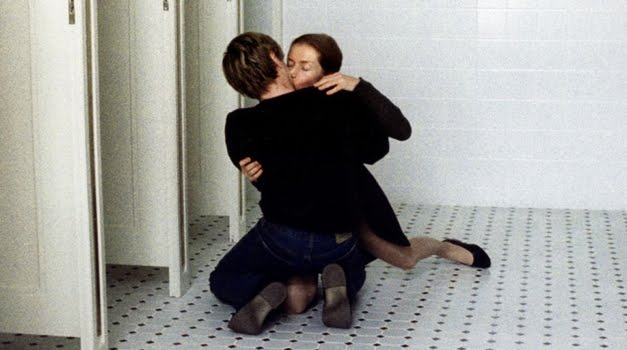
This is one of the best movies I ever watched. It's about a middle aged piano teacher with pervasive fantasies (well, we all got them, huh). She is unmarried and lives with her mother. She is an excellent musician and a tough teacher. On the other side of her life she maintains an absurd relationship with her mother and does many things that even a typical European woman would not do (such as going to watch erotic movies in public places). She gets paired with a handsome young student of her. After a certain period of this relationship she tells him that she needs him to humiliate her severely. The guy becomes sick after knowing this. 

2. Eyes Wide Shut [Stanley Kubrick]
This is a long great movie. An upper middle class american man jeopardizes his psychological balance after participating in a sex ceremony. The story is anti-logical and the plot contains many excellent symbolic meanings.

3. Dogville [Lars von Trier]
This is a very different movie. It revolves around the concept that people do not really need physical things to concretely stand for meanings. The complete movie is shot in a stage representing a village. Houses, roads, environment, etc in the village are represented by lines drawn on the stage. Actors play as if those lines are real things.

4. Last Days [Gus Van Sant]
Van Sant is a director who introduced a new type of movies into the world. His movies contain long still scenes with nothing significant happening. Scenes are not logically connected and in some places the same scene is shown many times in the perspectives of different people. You will not see a great story or enjoy a thrilling experience by watching his movies. It's only a unique cinematic experience. I have watched many of his movies and "Last Days" was the best of them. It is centered on the last days of the life of Kurt Cobain, the lead singer of the rock band Nirvana.

5. The Castle [Michael Haneke]
This movie is based on a novel with the same name by Franz Kafka. A person named "Mr. K" enters into a village with the intention of going to a nearby castle in which he got a new job. However, strangely he is not allowed to enter into the castle. The plot is full of his attempts to get into the castle. The events in the plot have absolutely no meaning. They are completely ridiculous. Like in all writings of Kafka, the story centers on the concept that all serious things in the world, at their roots, are purely ridiculous and meaningless.

6. Brown Bunny [Vincent Gallo]
This is another Van Sant type movie by a different director. The plot is about a guy who desperately tries to recover from a broken relationship (the reason is unclear). The director tries even to go beyond Van Sant in the screenplay. This is a movie full of emotions. A great one to watch after having a drink.

7. Crash [David Cronenberg]
Cronenberg is one of my favorite directors. I have watched many of his movies. Another good one is "M-Butterfly". But this one is unique. It's about a small cult in US where people experiment to find the greatest sexual pleasure. They assume that it should be similar to the feeling of a victim of a car crash just before death. They simulate reported car crashes and get injured too. They think that one needs an accident to feel the greatest sexual pleasure. In the last seen of the movie, a guy crashes his girlfriend's car deliberately to see whether he gets the "maximum sexual pleasure". However, he feels that this too is not the maximum pleasure. While having sex with his wounded girlfriend he says "May be the next time". Fatally this is what we also say after feeling that what we achieved at the end of a long chase is not the pleasure expected.

8. Children of Heaven [Majid Majidi]
This is a beautiful Iranian movie (a must watch in my standards) centered on children. A kid misplaces his little sister's only shoes which she is supposed to wear to school. They belong to a poor family and the kids are afraid to tell this to their father. The movie is about their struggle to handle the situation in their own way. This way, which makes us laugh and cry at times, is common to any child in the world I guess. The movie is beautifully plotted around a simple story. The beauty stems from the honesty of the film maker in bringing elements of humanity to the screen. Pedar (Father) and Baran (Rain) are two other very good movies by the same director that I can recommend.

9. The Girl in the Sneakers [Rasul Sadrameli]
This is another very nice Iranian movie I watched in a film festival. A girl belonging to a rich family in Iran gets friends with an interesting guy in school. He talks rebellious things that amaze the girl. She gets fascinated when he says that he hopes to walk to infinity someday. The girl is bored by her lonely life at home under strict rules by parents. She decides to leave her family and does that by escaping after the school one day. After a long journey with ugly experiences she finally manages to meet the guy. The things change after that. The guy tells that walking to infinity is easier said than done and begs that she goes back to her family. The guy who talked rebellious things looks far less brave than the docile girl who had guts to leave her rich family.

10. The Pervert's Guide to Cinema [Sophie Fiennes]
This is a documentary starring the well known philosopher Slavoj Zizek. He talks about masterpieces in world cinema by directors like Bergman, Tarkovsky, Kieslovsky, Hitchcock and Lynch. His psychoanalytic perspective is superb and is several levels beyond the ideas of conventional critics. It's an enlightening 2 1/2 hours. He formulates the idea that cinematic masterpieces try to bring a cinematic truth which is unique to cinema rather than trying to represent an already existing truth in the everyday world. 

Monday, May 2, 2011

Bolero: The beauty of repetition


Some time back I got the opportunity to work in Goteborg (Gothenburg in English) which is the second largest city in Sweden. I was amazed by the rich culture of the city and was used to go to some event everyday after work with the intention of exploring the city as much as possible. Goteborg opera house was one of my favorite places. I watched about 10 shows in it. One of them was a ballet named 3xBollero. It comprised 3 dance performances to Ravel's Bolero. I particularly liked the third performance which was called "Episode 17" choreographed by Alexander Ekman. I guess other two performances were too advanced for me to grasp. It was the first time I listened to Bolero and I started liking it. 

Bolero is a orchestral work by Maurice Ravel which is known to be ultimately romantic. Special thing about it is that it repeats the same short theme over and over again. Instead of a complicated long theme we hear the same piece repeating in different melodies. Each repetition adds a new color to the work and the listener does not get bored by the recurrence. I do not know much about music and I can describe my feeling as "A masterpiece highlighting the beauty of fine details of a simple thing using repetition". Bolero is said to be inspired by a painting created by Valentin Serov (Painting is the one in the beginning of the article).  A brilliant performance of Bolero is available here:


In the modern world we get continuously bombarded with lot of stuff and usually are not given a chance to stop and look at something closely. Repetition is regarded as waste of time and people always ask for "new" things. We have been trained for fast moving TV screens for a long time. However, my experience is that I need some time to feel or understand something properly; even a really simple thing. I get emotionally attached with a thing only after keep looking at it for a long time. The same goes with problem solving too. I solve a math or engineering problem only when I have the patience to think about it repetitively for 100 times. After the same problem revolves in the head for a prolonged period, the patterns associated with it  and the very reasons that made it a problem start emerging. After this stage the solution appears like a obvious one that should have been uncovered in the first see.

My opinion is that the overwhelming amount of data we get exposed to does more harm than it helps. Serious encounter with anything needs close attention and patience. Works like Bolero just remind this fact to us who are compelled to run with gigabyte speeds.

Friday, April 22, 2011

Breain teasers


Here are two interesting problems I came across recently. Take my words; they are worth giving a try. You might not come up with a correct answer quickly. The key is to keep on trying and never to give up. Providing this sort of exercises to the brain from time to time is a very good practice particularly to fight against decline of thinking power with aging.

(1) The problem of circles

I read this problem in a web site. It is really interesting. The challenge is to find the maximum number of closed regions that can be formed by overlapping a given number of equal sized circles. Each region that counts must fall within at least one circle. The answer for the case with two circles is obvious; we can form 3 regions. It doesn't even deserve a pictorial illustration. 3 circles is also a pretty simple case. It is shown in the picture in the beginning of the article. The result is 7 regions. What about the case with 4 circles? Now the problem is getting more challenging. However, I guess anyone with average thinking ability can come up with the answer after few minutes of brainstorming. The answer is illustrated below.

What we have done is placing the forth circle between the 3 circles in the orientation for the previous case. The result is 13 regions. However, there's a little problem. How can one be certain that this is the orientation yielding the maximum number of regions? 13 is the correct answer in this case, but how can we prove that it is?
We clearly observe that the difficulty of the problem problem grows exponentially with the number of circles. Furthermore we do not have a proof even if we come up with a decent solution. The issue is that the ad hoc thinking we used for the simple cases just do not work when the problem gets more complex. Ad hoc methods generally do not generate proofs either. The problem asks us to come out of the frame and think smarter to arrive at an enlightening solution. Can we do it? Yes, it is possible. All one needs to do is to defeat the inertia to engage in thinking and continue with willpower. 
Here we go...My challenge is: What is the maximum number of regions that can be formed by overlapping 10 circles?

(2) The problem of Aluminium plates

This is a practical engineering problem. One of my friends who works in an Aluminium factory came up with this question regarding a problem encountered in their day to day operations. They get fairly big square shaped Aluminium plates and are asked to cut rectangular pieces of various sizes out of them. The requests come at different times so they do not know the sizes of all the pieces they need to cut from a single square. When they get a request for an Aluminium piece, they cut it from one of many available half cut Aluminium squares by guessing the best one to cut from. When few pieces are cut from a square it might look like this.


At a given time our friends have many plates with this type of shapes. The pieces are always cut with parallel edges to that of the initial square. Therefore there are no slant cuts. After a square is consumed to a level that is no more usable (no pieces with a given minimum size can be cut from the remainder) they add it to a recycling phase where those remainders are melted to make new squares. Understandably, this melting process is quite costly and optimum usage of an Aluminium square before recycling will definitely save them a good amount of money. Therefore the problem is to come up with a systematic way (an algorithm..forget this word if you are not a computer engineer) to cut pieces from Aluminium squares in an optimal way.

We can formulate the problem like this. Given all the shapes of remaining Aluminium squares and the size of the rectangular piece to cut, how to find the best square to cut from and the best place in it to cut the piece? Remember that figuring out the optimality criteria is also a part of the solution. After all what our friends in the Aluminium factory need is to cut more pieces from squares.

I will post my analysis and solutions to these problems in a later post. Until then, happy thinking.